Staff Research Scientist · Google DeepMind

Yulia Rubanova

Video generationControllabilityPersonalisationPhysical reasoning

I work on Veo, including ingredient-to-video and Veo 3.1, building controllable video systems for character consistency, creative production, robotics evaluation, and physical world understanding.

Research vision

My research builds toward world models that can predict, simulate, and support action in physical environments. I work on controllable video generation, learned simulation, object-centric scene structure, and robotics evaluation, with the goal of turning generative models into reliable tools for reasoning about the world.

Core project

Veo 3.1 Ingredients to Video visual

Veo Ingredient-to-Video · Veo 3.1

Veo Ingredient-to-Video

Ingredient-driven video generation that preserves identity, motion, and intent.

My work connects ingredient-to-video generation, physical realism, and evaluation: from consistent characters and objects to video-based robotics simulation.

  • Character and object consistency
  • Realistic motion, physics, and audio-video generation
  • World simulation for robotics evaluation and safety testing

Selected work

2025 · Veo world simulator

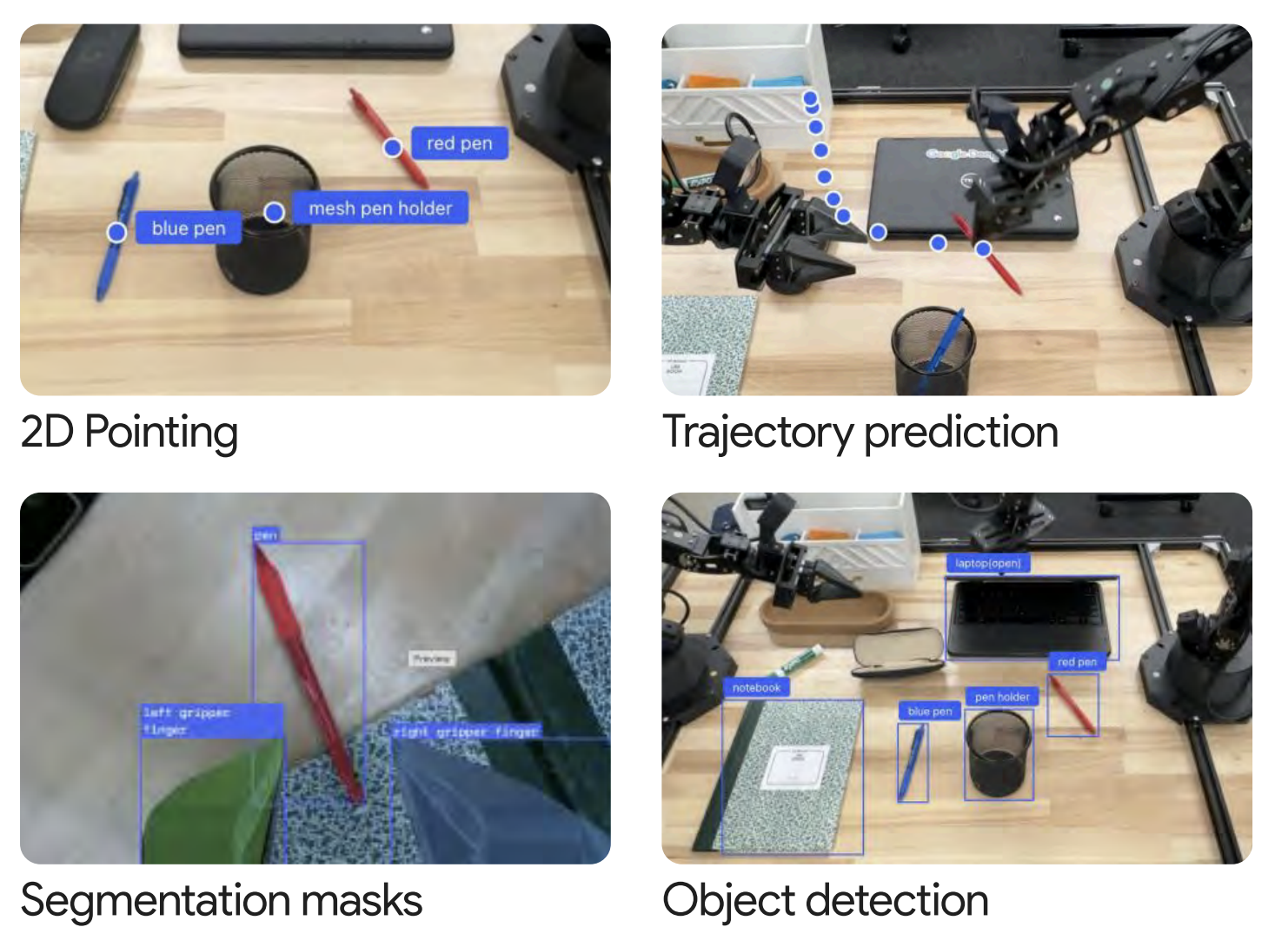
Evaluating Gemini Robotics Policies in a Veo World Simulator

Impact: Shows Veo can become a scalable robotics evaluation environment, predicting policy rankings, out-of-distribution failures, and safety issues across 1600+ real-world trials.

Gemini Robotics Team, Coline Devin, Yilun Du, Debidatta Dwibedi, Ruiqi Gao, Abhishek Jindal, Thomas Kipf, Sean Kirmani, Fangchen Liu, Anirudha Majumdar, Andrew Marmon, Carolina Parada, Yulia Rubanova, Dhruv Shah, Vikas Sindhwani, Jie Tan, Fei Xia, Ted Xiao, Sherry Yang, Wenhao Yu, Allan Zhou

arXiv preprint, December 2025

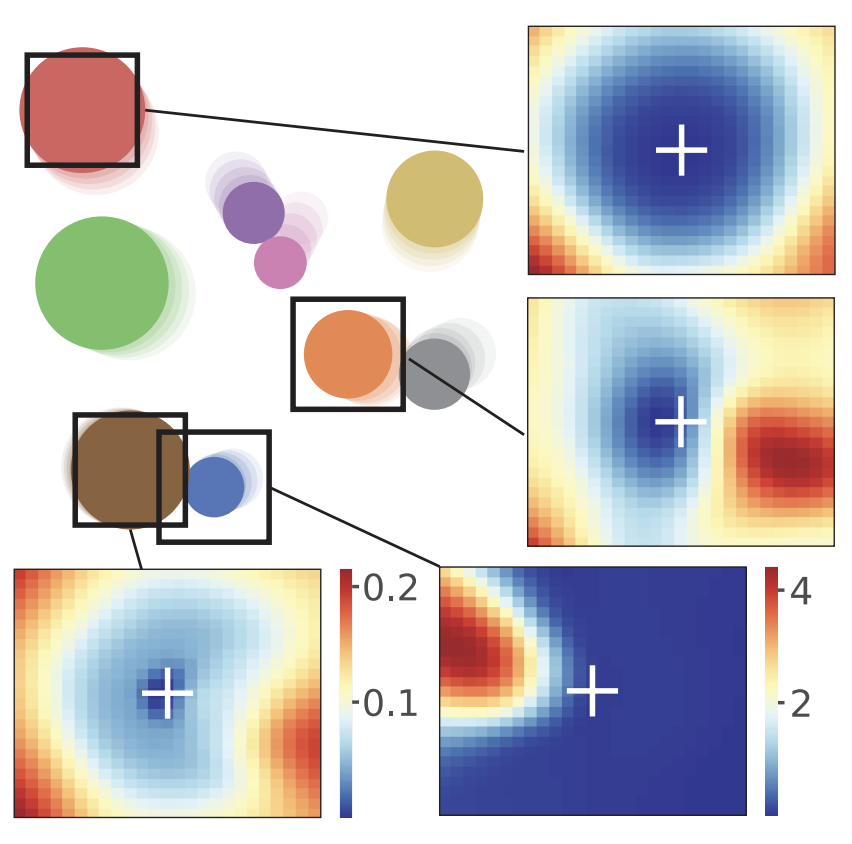
Direct Motion Models good example preview

2025 · Video evaluation

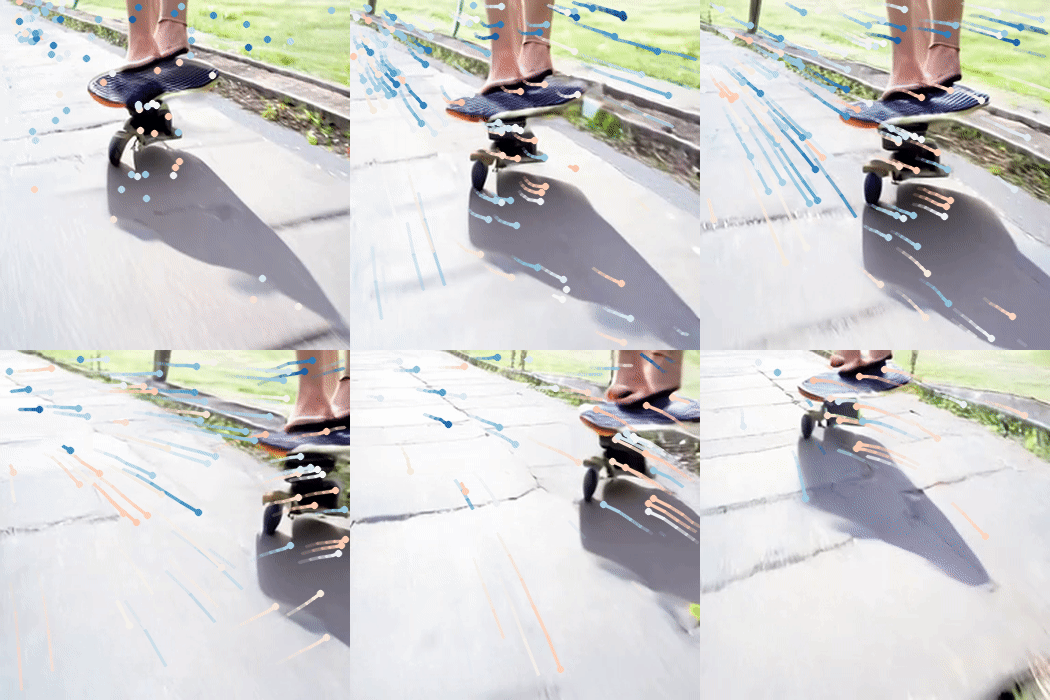
Direct Motion Models for Assessing Generated Videos

Impact: Gives video teams a motion-sensitive evaluation tool that detects temporal failures missed by FVD and localizes where generated videos go wrong.

Kelsey Allen, Carl Doersch, Guangyao Zhou, Mohammed Suhail, Danny Driess, Ignacio Rocco, Yulia Rubanova, Thomas Kipf, Mehdi S. M. Sajjadi, Kevin Murphy, Joao Carreira, Sjoerd van Steenkiste

arXiv preprint, April 2025

Neural Assets preview

2024 · 3D control

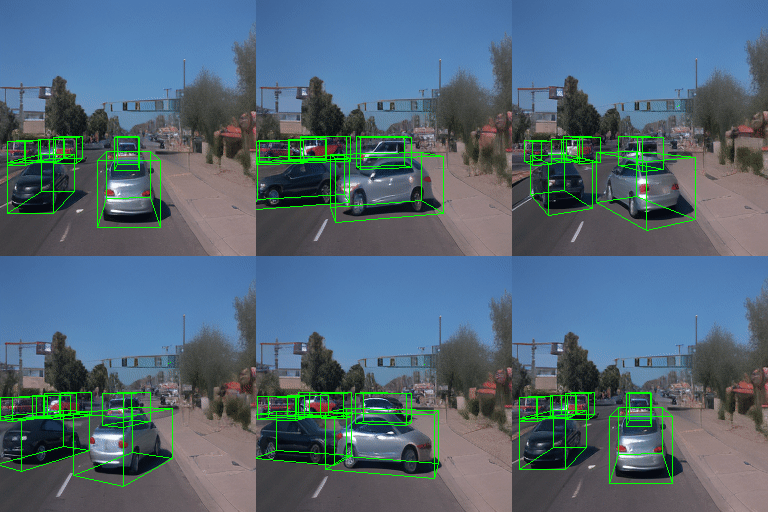
Neural Assets: 3D-Aware Multi-Object Scene Synthesis with Image Diffusion Models

Impact: Shows how diffusion models can control individual objects by appearance and 3D pose, moving image generation toward editable scene-level assets.

Ziyi Wu, Yulia Rubanova, Rishabh Kabra, Drew A. Hudson, Igor Gilitschenski, Yusuf Aytar, Sjoerd van Steenkiste, Kelsey R. Allen, Thomas Kipf

Advances in Neural Information Processing Systems 37, NeurIPS 2024

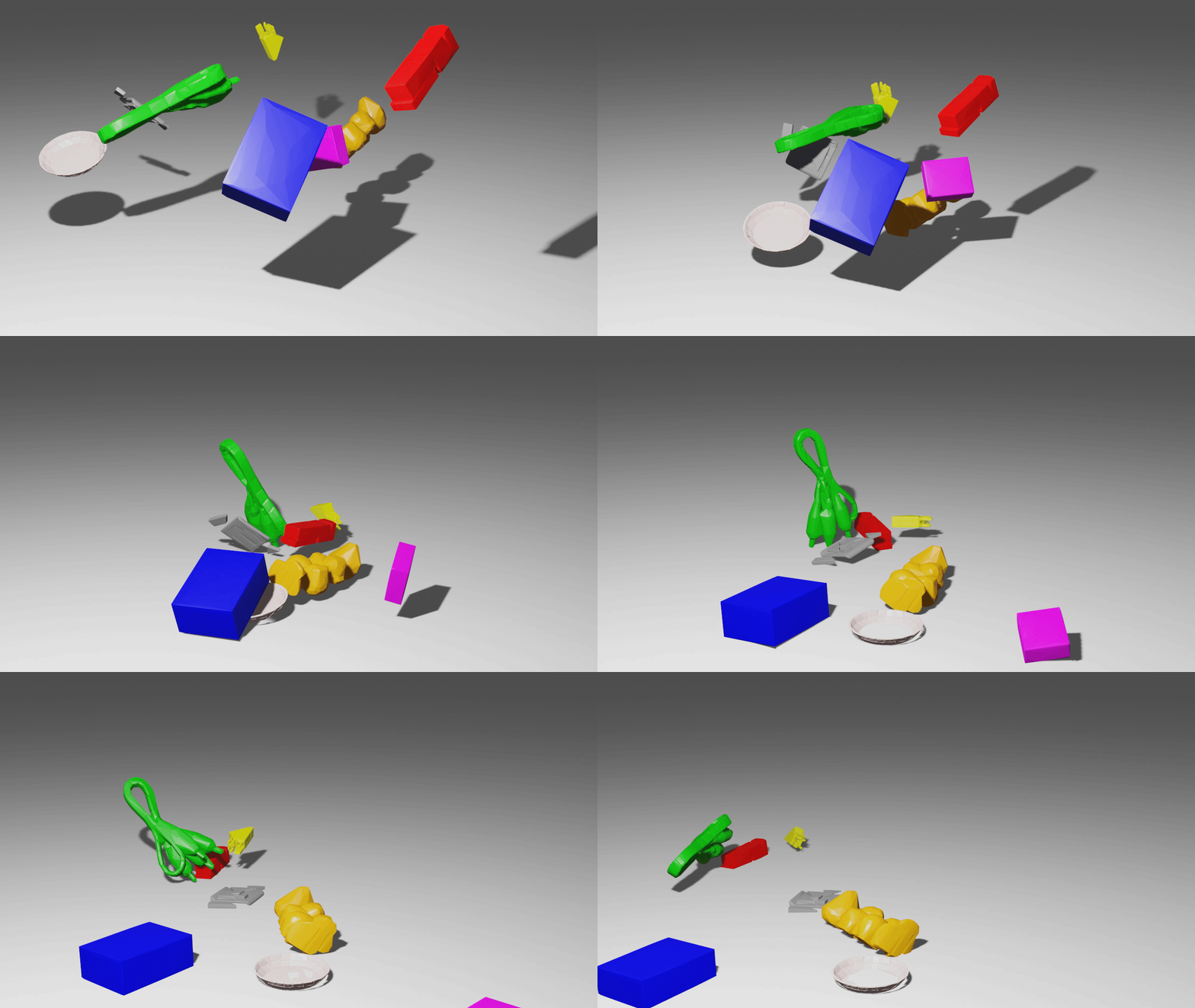
Visual Particle Dynamics preview

2024 · RGB-D dynamics

Learning 3D Particle-based Simulators from RGB-D Videos

Impact: Learns editable 3D dynamics directly from observation, bridging video understanding and simulation without privileged physical state.

William F. Whitney, Tatiana Lopez-Guevara, Tobias Pfaff, Yulia Rubanova, Thomas Kipf, Kimberly Stachenfeld, Kelsey R. Allen

International Conference on Learning Representations, ICLR 2024

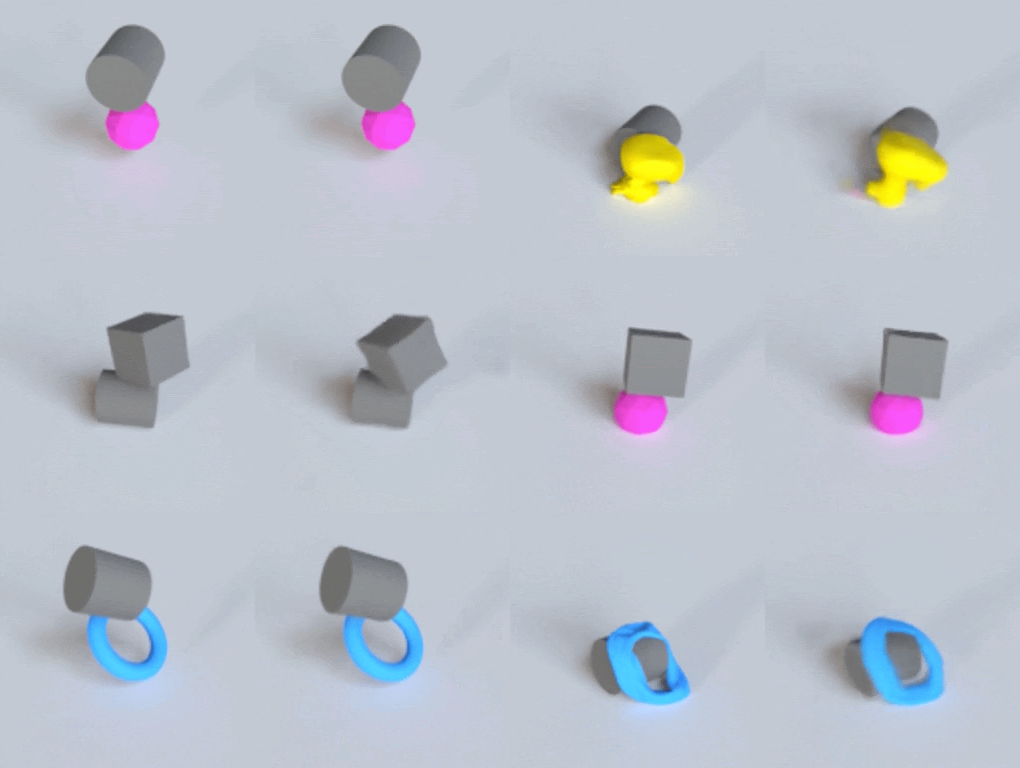
FIGNet preview

2023 · Contact dynamics

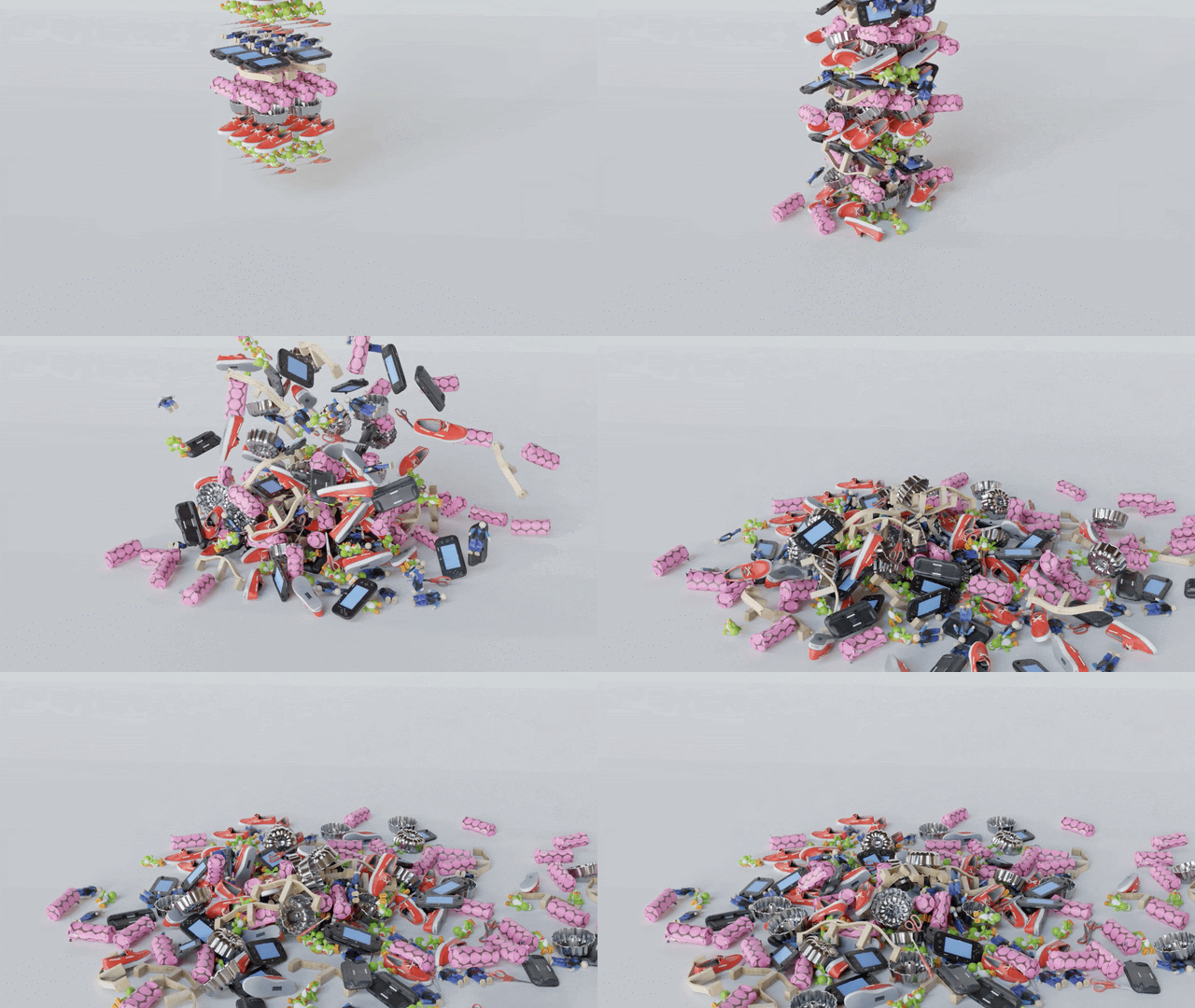
Learning rigid dynamics with face interaction graph networks

Impact: Makes learned simulators significantly more accurate and efficient for rigid contact, a hard case for neural physical reasoning.

Kelsey R. Allen, Yulia Rubanova, Tatiana Lopez-Guevara, William F. Whitney, Alvaro Sanchez-Gonzalez, Peter Battaglia, Tobias Pfaff

International Conference on Learning Representations, ICLR 2023

Constraint-based graph network simulator preview

2022 · Learned simulation

Constraint-based graph network simulator

Impact: Uses learned constraints and test-time optimization to combine neural simulation with ideas from traditional physics solvers.

Yulia Rubanova, Alvaro Sanchez-Gonzalez, Tobias Pfaff, Peter Battaglia

International Conference on Machine Learning, ICML 2022

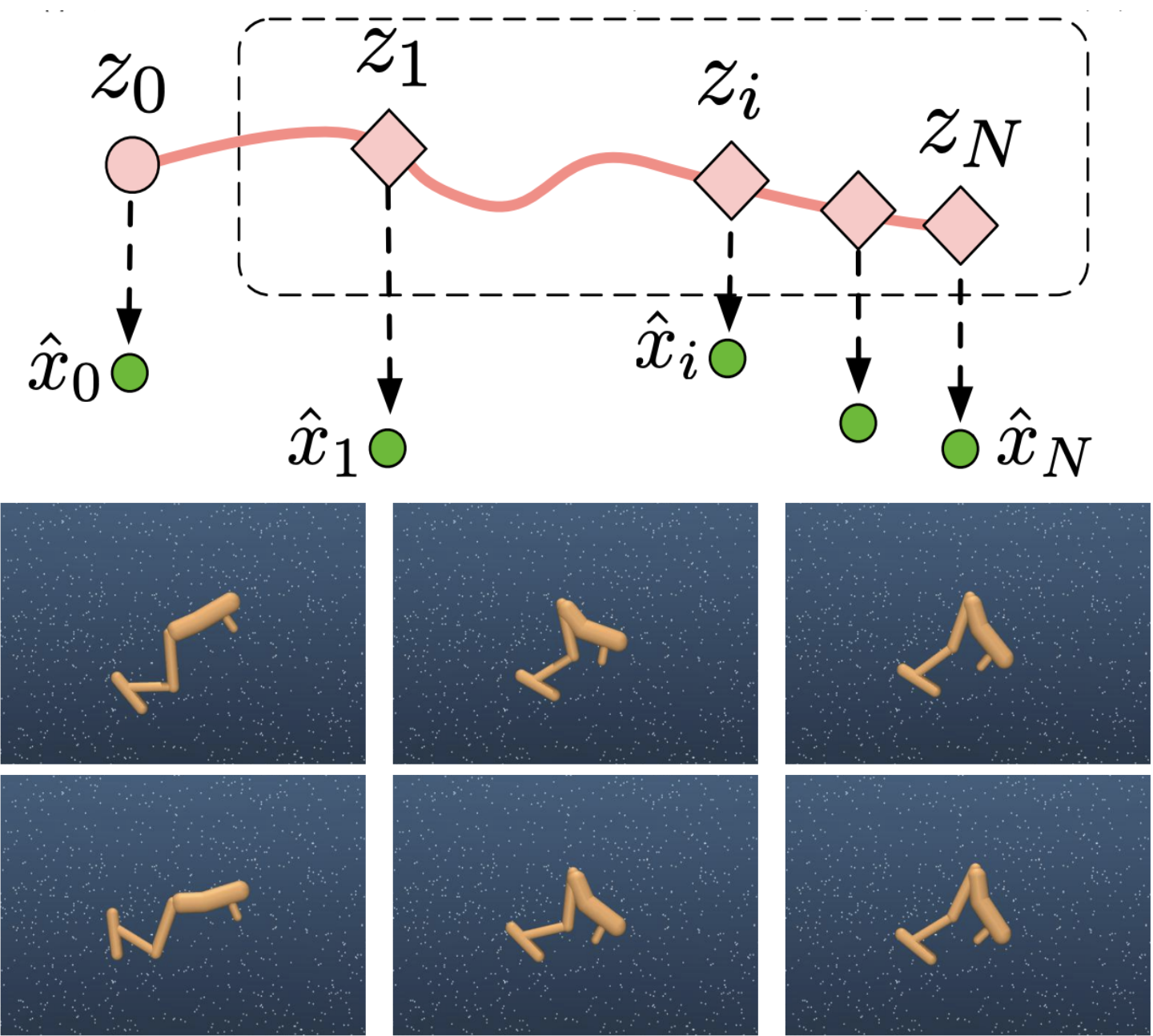
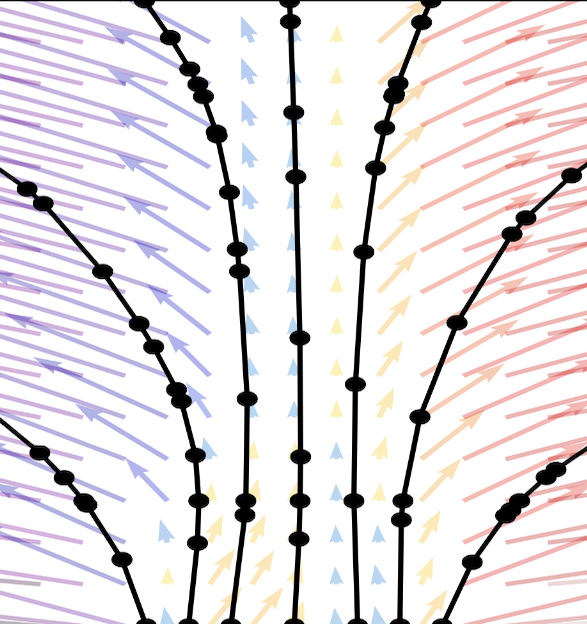
Neural ODE preview

2018 · Neural ODE

Neural Ordinary Differential Equations

Impact: NeurIPS Best Paper Award winner that introduced continuous-depth neural models and helped establish differentiable dynamics as a foundation for modern ML systems.

Ricky T. Q. Chen, Yulia Rubanova, Jesse Bettencourt, David Duvenaud

Advances in Neural Information Processing Systems 31, NeurIPS 2018 · Best Paper Award